
Trauma
Trauma comes in all shapes and sizes, but there are some events that can truly prevent you from living life as you wish to live it. Trauma-focused therapy conducted by a trauma-informed clinician is the best way to ensure that you get a real opportunity to effectively (and ethically) process and heal from these major life events.
When The Past Hijacks Your Present
Something happened. Maybe years ago, maybe recently. And even though it’s over now, your mind and body don’t seem to know that yet.
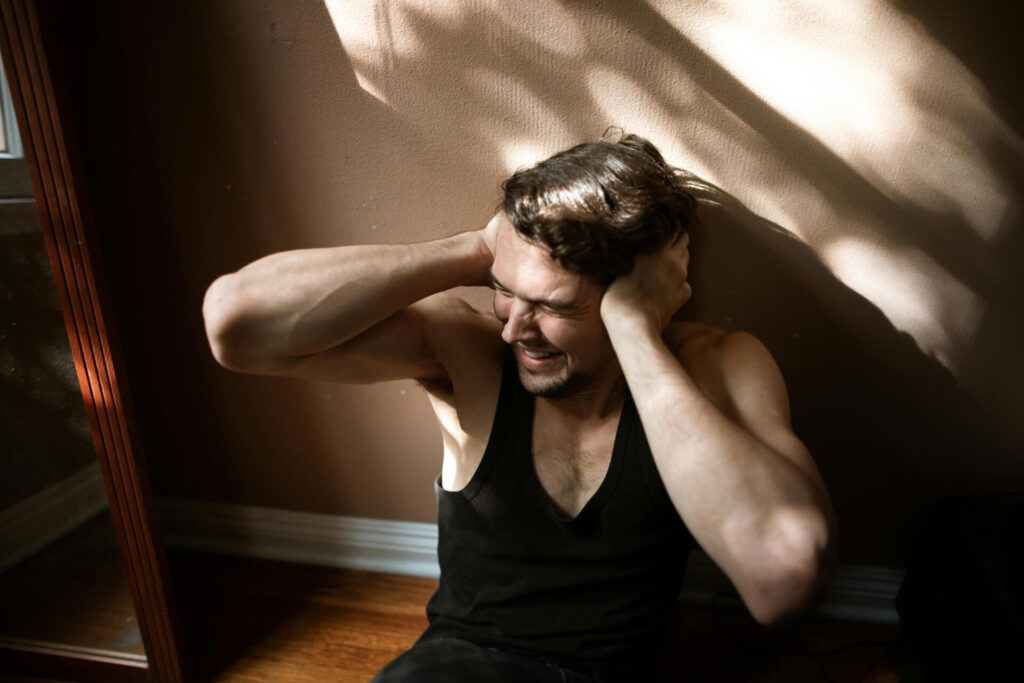
You’re triggered by things that you wish weren’t a big deal: certain sounds, smells, situations. Your heart races and your thoughts spiral, and suddenly you’re back there, reliving something that’s supposedly in the past. You may feel like you’re overreacting, but you can’t seem to control it. Your nervous system has other ideas.
Maybe it was one specific event—an assault, an accident, a sudden loss, a moment of acute danger. Or maybe it was ongoing, childhood neglect, emotional abuse, a relationship where you never felt safe. Either way, the impact is the same: the past keeps showing up uninvited in your present.
You’ve probably tried to just “get over it.” You’ve told yourself it wasn’t that bad, other people have survived worse, you should be fine by now. But trauma doesn’t care about logic or timelines or comparisons. It lives in your body, in your nervous system, in the way your brain perceives potential threats. And it doesn’t resolve through willpower alone.
Trauma isn’t just about what happened to you. It’s about what’s still happening in you.
Here's How We Help You Navigate This
Healing is possible. It won’t happen by pretending it didn’t happen or by willing yourself to just “move on.” It can happen, however, through evidence-based trauma-focused treatment that helps you and your nervous system understand that the past is in the past.
Your Nervous System Is Stuck In The Past
We help you recognize trauma responses, and understand what's happening in your mind and body when you get triggered.
Processing What You've Been Avoiding
Talking about it alone won't do it. We help you process painful memories safely by creating new neural pathways, not by reinforcing the ones that keep you stuck.
Moving Your Life Out of Survival Mode
Your energy is spent avoiding triggers and managing symptoms. We help you create new, balanced beliefs and behaviors that re-engage you in life more meaningfully.
Establish Safety & Ground Rules
First, we ensure current safety and develop coping skills for managing trauma symptoms. You learn grounding techniques, emotion regulation strategies, and how to recognize when you're activated.
Understand Your Trauma Response
We explore how trauma shows up for you: intrusive thoughts, nightmares, emotional numbness, hypervigilance, dissociation, relationship impacts.
Process Traumatic Memories Safely
Using trauma-focused approaches (CPT, PE, or trauma-informed CBT), we help you process painful memories in a structured, manageable way.
Rebuild Trust, Safety & Connection
Trust in yourself and others, sense of safety in your body and the world, capacity for vulnerability and connection, living aligned with your values instead of just managing symptoms.
What we'll work on together
Trauma treatment isn’t about reliving painful memories for the sake of it. It’s about helping your nervous system understand the danger is over so you can stop living in constant survival mode. This work is hard, it requires facing things you’ve been avoiding. But avoidance keeps you stuck. Processing, done safely with proper support, is what creates actual healing.
We use trauma-informed Cognitive Behavioral Therapy (CBT), Cognitive Processing Therapy (CPT), and Prolonged Exposure (PE), evidence-based approaches proven effective for PTSD and trauma-related symptoms.


Evidence-Based TFT
We use Cognitive Processing Therapy (CPT) and Prolonged Exposure (PE), two of the most extensively researched and proven-effective treatments for PTSD and trauma, alongside trauma-informed CBT for those who need a gentler approach.
CPT focuses on how trauma has affected your beliefs about yourself, others, and the world. Many trauma survivors develop beliefs like “I’m not safe,” “I can’t trust anyone,” or “It was my fault.” CPT helps you challenge these beliefs and develop more balanced thinking.
PE involves gradually confronting trauma memories and situations you’ve been avoiding. This isn’t about flooding you with overwhelming emotions, it’s systematic, gradual exposure that teaches your brain the danger is over.
Research consistently shows trauma-focused therapy is more effective than generic supportive counseling.
Trauma Therapy Works When
You're currently safe, not in ongoing danger or active crisis
You have basic coping skills or willing to develop them before processing
You can tolerate distress temporarily
You're ready to face what you've been avoiding
We work with trauma survivors throughout Greater Boston, Cambridge, Somerville, and all of Massachusetts via secure virtual therapy. Most of our clients are high-functioning adults whose trauma isn’t obvious to others, you’ve built a successful life, but internally you’re still managing symptoms that exhaust you.
Questions People Actually Ask
Recovery from traume brings up real, hard questions. Here are the ones we hear most often.
Trauma isn't defined by the event itself but by how your nervous system responded to it. Events that are objectively severe (assault, combat, serious accidents) often cause trauma. But so can events that seem "less serious" if they overwhelmed your capacity to cope, medical procedures, emotional abuse, betrayal, sudden loss. If your nervous system is stuck in survival mode, it's trauma. You don't need to justify or compare your experience.
You need to process it, which is different from just "reliving" it. In trauma-focused therapy, we approach memories intentionally, in a structured way, with tools to manage activation. You're never forced to discuss more than you're ready for. But healing does require facing what you've been avoiding, avoidance maintains PTSD, processing resolves it.
Memory gaps are common with trauma, especially childhood trauma or trauma involving dissociation. You don't need complete memory to process trauma. We work with what you do remember and address how trauma is affecting you now. Some memories may return during processing; others may not. Both are okay.
For single-incident trauma (one event), CPT or PE typically takes 12-16 weekly sessions. For complex trauma (ongoing childhood abuse, multiple traumas), treatment often takes 6-12 months or longer. Stabilization phase varies based on current symptoms and coping skills. Everyone's timeline is different.
Trauma-focused therapy directly addresses traumatic memories and beliefs stemming from trauma. Regular therapy might help you cope with symptoms or understand yourself better, but it doesn't necessarily resolve the trauma itself. Research shows trauma-focused approaches are significantly more effective for PTSD than generic supportive therapy.
Time doesn't heal unprocessed trauma, it just gives you more practice avoiding it. Many people successfully process childhood trauma or events from decades ago. Your nervous system doesn't care how long ago it happened; if it's still affecting you, it's still present. Treatment works regardless of how much time has passed.
Schedule a free consultation with JP Psychotherapy
Ready to address trauma with evidence-based treatment that actually resolves it? We work with trauma survivors who are tired of just coping with symptoms and ready for genuine healing.